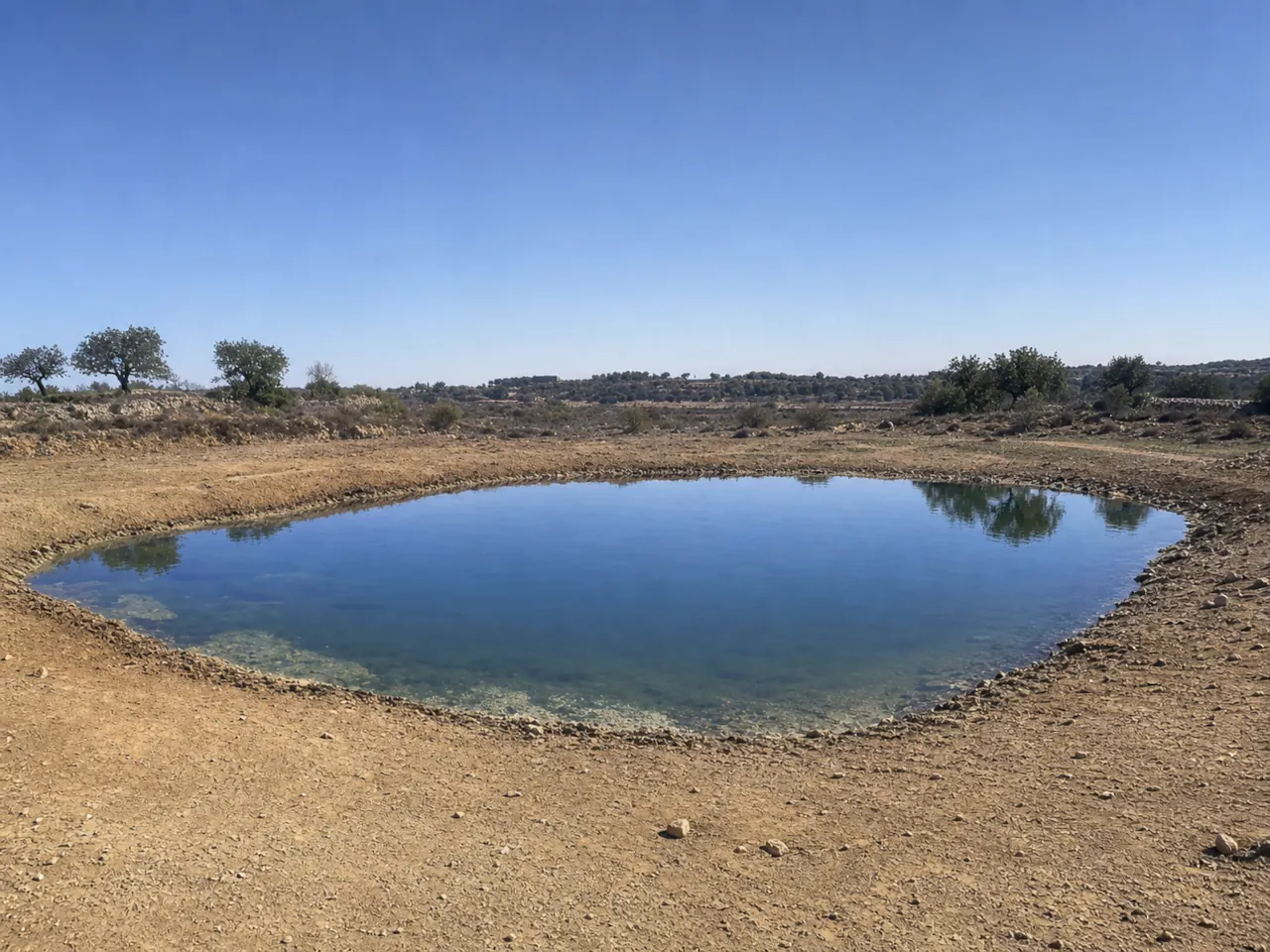
I believe it is called charcuelo, although I am not entirely sure that this is the exact term. It is a small natural depression in the terrain where rainwater accumulates, forming a seasonal pond — a humble but lively corner that for decades was part of the landscape and the memory of several generations. At one point I even thought it might have some kind of spring or natural seepage feeding it, but I do not really think that was the case.
When I was a child, that pond held water practically all year round. At least, that is how I remember it: a small oasis near Vanacloig and El Mas, territories of vineyards, almond trees, and olive groves back then, which have now been transformed into hectares of irrigated farmland. Amid the vegetation, the mud, the reeds, and the sounds of amphibians all announced that a unique ecosystem existed there. It was one of those seemingly insignificant places that nevertheless held enormous ecological importance, and also a certain emotional significance for those of us who grew up nearby.
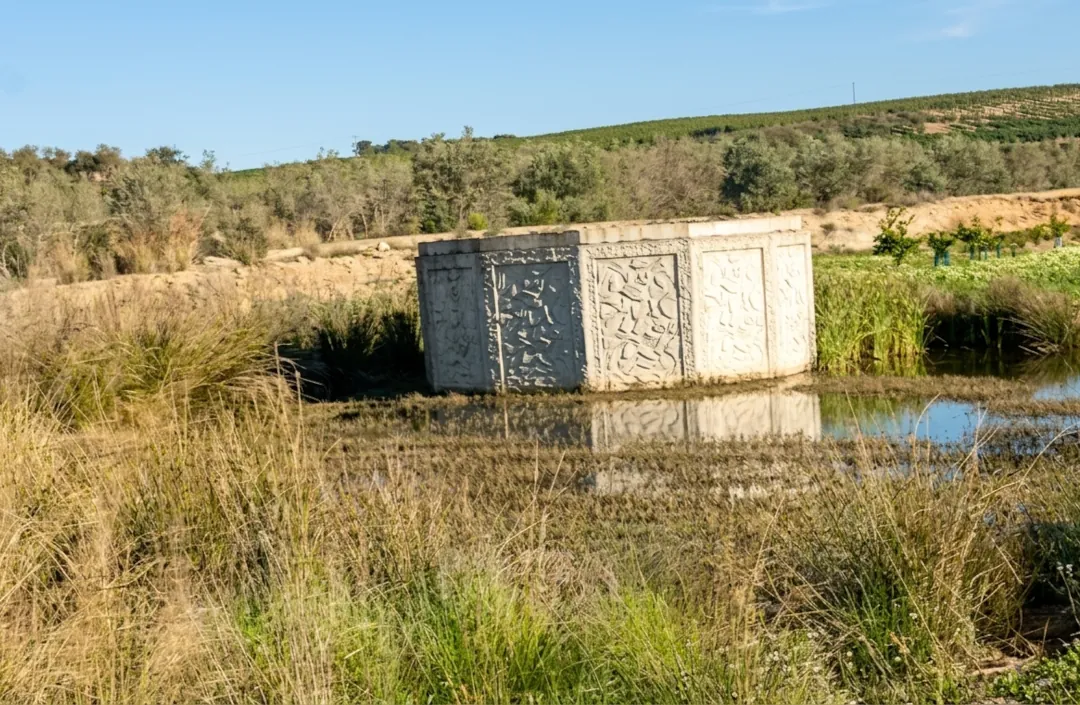
Over time, everything changed. Some years ago, ‘someone‘ decided to drain the area and replace that natural space with a true monstrosity of cement or concrete which, apparently, serves as a water reservoir for tractors or agricultural use. I remember perfectly the indignation I felt the first time I saw it. At the time — and still today — it struck me as something very close to an ecological crime. Not only did a natural landscape disappear, but also a small habitat that had functioned for decades as a refuge for different species.
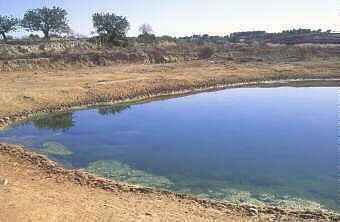
And this was not merely a subjective or sentimental impression. The site had been studied by biologists and naturalists because toads lived there, specifically specimens of a protected species. On this page, there is a reference to that very habitat, and it even includes a photograph from the 1990s of the charcuelo, an image that also served as the basis for the cover photo of this article. The text states the following: “Protected Species” in the Valencian Catalogue of Threatened Fauna Species (Decree 265/1994). The common toad found in Valencian lands belongs to the subspecies Bufo bufo spinosus Daudin, 1803.
That pond was not simply a patch of stagnant water. It was a breeding site for amphibians, a refuge for insects, birds, and small animals, and it also occasionally served as a watering place for foxes and wild boars. It was an example of how even the most modest ecosystems can have enormous environmental importance. Places like this often go unnoticed until they disappear, and by then it is already too late to recover what has been lost.
Fortunately, nature possesses a remarkable capacity for resilience. Nowadays, it seems that during especially rainy years the Charcuelo partially recovers and fills with water once again. When that happens, the concrete monstrosity becomes surrounded by water, flooded, almost as if the landscape itself were trying to reclaim the space that always belonged to it. It is then that, even if only for a season, the place once again resembles the natural corner that so many of us remember.